
Why We Specialize in Eastern White Pine
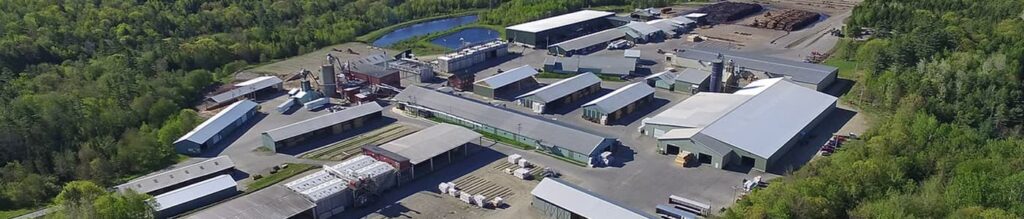
Robbins Lumber has been working with Eastern White Pine for more than six generations and there’s no other species in the Northeast that matches its beauty, character, performance and sustainability. Native to Maine, Eastern White Pine lumber is one of the most versatile, environmentally responsible, and cost-effective materials you can choose for your project.
There’s a reason this species continues to stand the test of time.
The Tree That Built New England
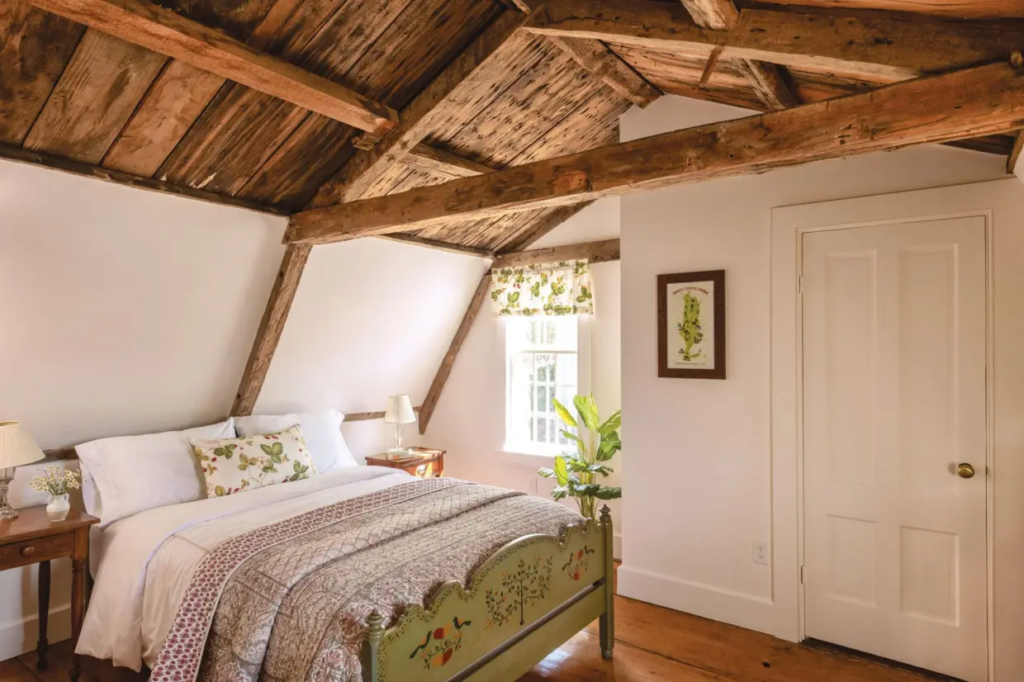
Eastern White Pine helped build the homes, churches, barns, and ships of early New England. It has been prized for centuries thanks to its straight grain, easy workability, and naturally beautiful finish. Many 18th and 19th century homes constructed with Eastern White Pine lumber are still standing today—proof of its durability and appeal.
At Robbins, we’re proud to carry on that legacy—harvesting and milling the same species that helped shape the region, now with modern forestry practices that ensure its future.
White Pine Characteristics That Stand Out
From colonial-era homes to contemporary interiors, Eastern White Pine has earned its reputation as one of the most trusted and versatile species. Its timeless beauty, reliable performance, and environmental advantages are just a few of many white pine benefits valued by builders, designers, and homeowners today.
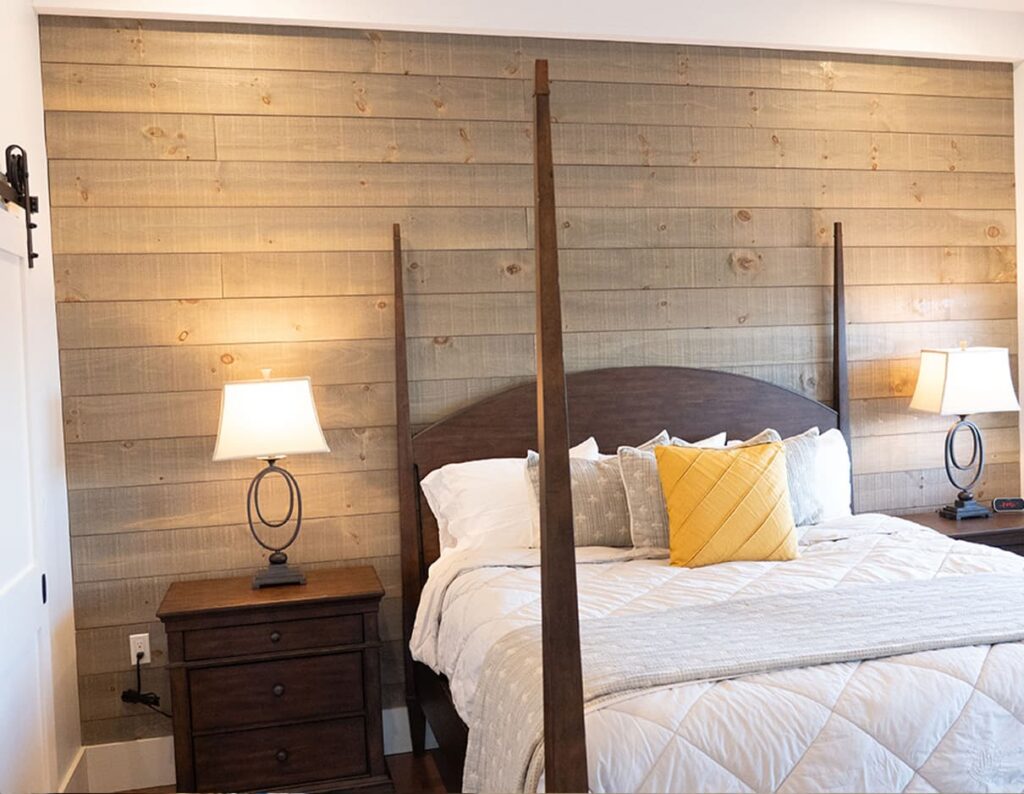
Eastern White Pine is prized for its fine, straight grain and creamy white color, often accented by rich red knots that bring warmth and character to any space. It’s a popular choice for natural wood paneling, cabinetry, ceilings, and decorative trim. Because of its versatility in both traditional and modern settings, Eastern White Pine is a favorite among homeowners, designers, and builders who want a timeless, natural look that ages beautifully over time.
Its remarkable adaptability makes Eastern White Pine great for many uses. It’s easy to work with, lightweight, soft enough to carve or shape, yet naturally stable—resisting warping, cupping, and splitting over time. These traits make it a smart choice for both interior applications and exposed conditions where durability matters. If you’ve wondered is white pine good for outdoor use, the answer lies in its proven performance in exterior trim, siding, and soffits—especially when properly sealed and maintained.
One of the greatest white pine benefits is how well it accepts finish. Whether you’d like your pine lumber stained, painted, or clear coated, Eastern White Pine offers a smooth, even surface that brings out the best in every application. Its low resin content and consistent grain allow for a wide range of finishes—making it suitable for projects that lean rustic, coastal, modern, or anything in between. Robbins offers a full line of expertly pre-finished Eastern White Pine products (link to 1.2 Prefinished) shipped to your jobsite ready for installation.
Choosing a wood species for your home or project can feel overwhelming, but there are a few key distinctions that set white pine lumber apart from other commonly used species. Eastern White Pine is lighter and easier to machine than hardwoods like oak or maple, and more visually refined than spruce. While Yellow Pine is often used in flooring for its density, it’s more prone to cupping and checking. Eastern White Pine is frequently chosen for projects where quality finish, local sourcing, and ease of installation matter most.
This natural, low POC (particulate organic material) building material reduces your exposure to chemical-based products like PVC and connects your daily living to the natural world. Studies have shown that biophilic design, through the selection of materials like white pine, can improve comfort, focus and wellbeing in both residential and commercial spaces.
Robbins Quality from Forest to Finish
We know this wood better than the backs of our own hands. We process all our pine from forest to final product at our facilities in Waldo and Cumberland County with the utmost care and are committed to delivering the highest quality eastern white pine lumber on the market.
Here’s what sets us apart:
- Longer drying times than most mills, allowing the wood to settle naturally
- More frequent inspections during the drying process to minimize cupping and checking
- Custom ground blades for precise, clean cuts and crisp pattern profiles
- Strict adherence to NELMA grading standards and ongoing quality assurance through ISO 9001:2015
A Sustainable Choice
Choosing sustainable lumber supports healthier homes, thriving forests, and a hopeful future. Eastern White Pine is a native species to Maine and a renewable resource thanks to its natural regeneration, especially when stewarded by expert foresters (link to 4.3 Environmental Stewardship). White pine lumber sequesters carbon from our atmosphere, transforming your home into a key partner in climate change mitigation. And because we harvest and sell it locally, it doesn’t assume the carbon footprint of transportation that tropical hardwoods suffer from. Learn more about how this species supports local forest ecosystems and the Maine economy.
Build With Eastern White Pine
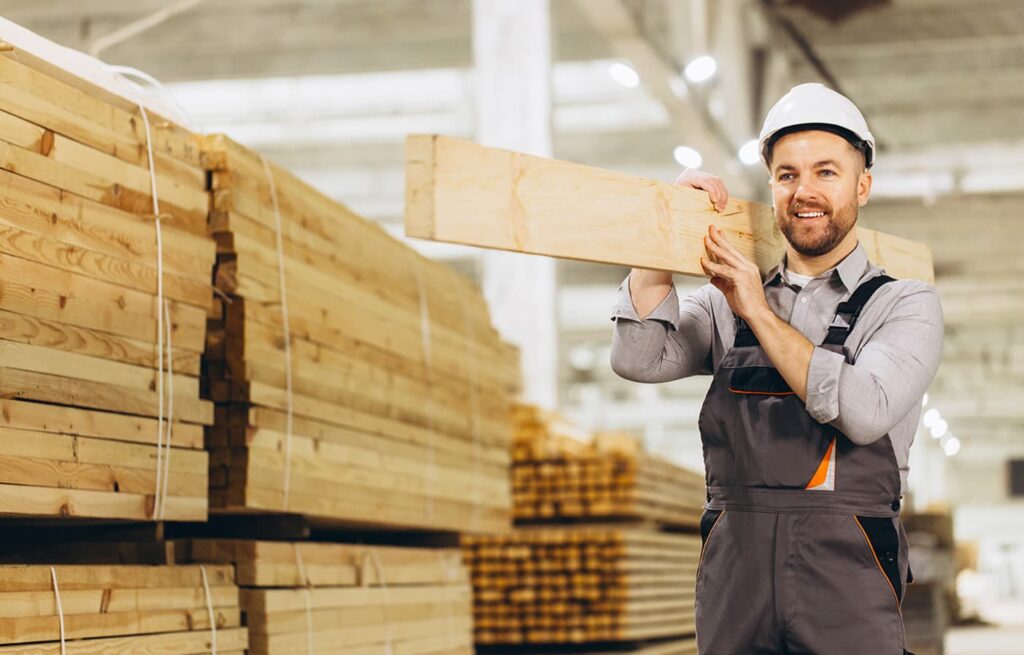
From trim boards to interior paneling and exterior siding, Robbins’ Eastern White Pine lumber is available through our trusted retail partners across the Northeast. We’re proud to support homeowners, builders, and retail sales staff with lumber that’s consistent, cost-effective, and rooted in six generations of sustainable practice.