
Sustainable Lumber, Six Generations Strong
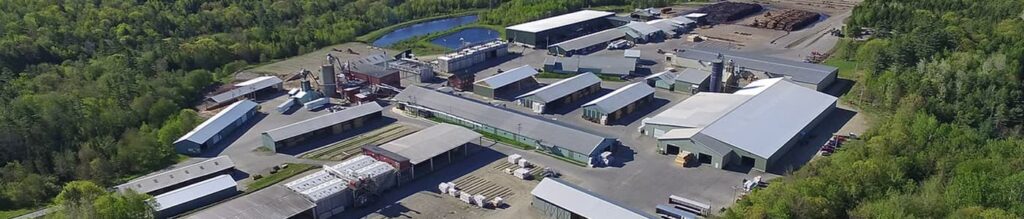
Robbins Lumber has been growing and harvesting Eastern White Pine in Maine for six generations. Our commitment to sustainable wood products isn’t just good practice—it’s the reason our forests, homes, and communities continue to thrive since the mill deed first came into the hands of Frank Robbins in 1881. We manage over 30,000 acres of forest using scientific, sustainable logging practices designed to ensure long-term health and regeneration of the land.
A Legacy of Sustainable Logging
“Woodland management for sustained yield has had its influence on the land holdings of the company,” – Fred L. Webster wrote of Robbins Lumber in the New England Homestead.
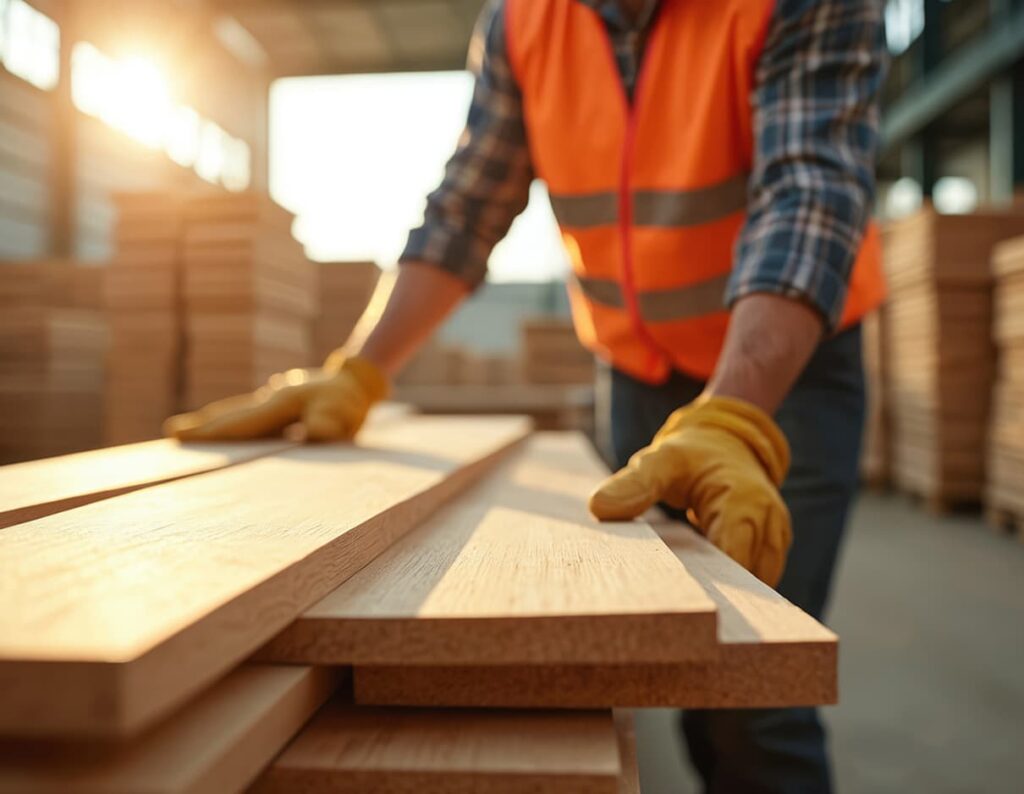
Before “sustainability” and “eco-friendly” became part of everyday dialogue, our family has worked to sustain our land. Today, we manage over 30,000 acres using proven sustainable logging practices designed to ensure long-term forest health, productivity, and biodiversity. For us, this looks like:
Long-term yield management: Forest health is prioritized over short-term gains, ensuring that forests can be harvested sustainably for generations.
Selective harvesting: We carefully choose which trees to cut based on age, species, and stand conditions—leaving younger trees and healthy growth behind to replenish the forest naturally.
Regeneration planning: Our foresters plan for future growth before a single tree is cut. Eastern White Pine replants naturally by dispersing seeds from mature cones. We monitor growth closely, plan harvests to ensure sufficient seed trees, and verify natural regeneration.
Wildlife protection: Buffer zones are left around streams, wetlands, and known wildlife habitats. Harvesting is timed and executed to minimize disruption to local species.
Erosion control: We maintain forest roads, install water bars, and follow strict guidelines to prevent runoff and soil degradation.
Using the Whole Tree—Nothing Goes to Waste
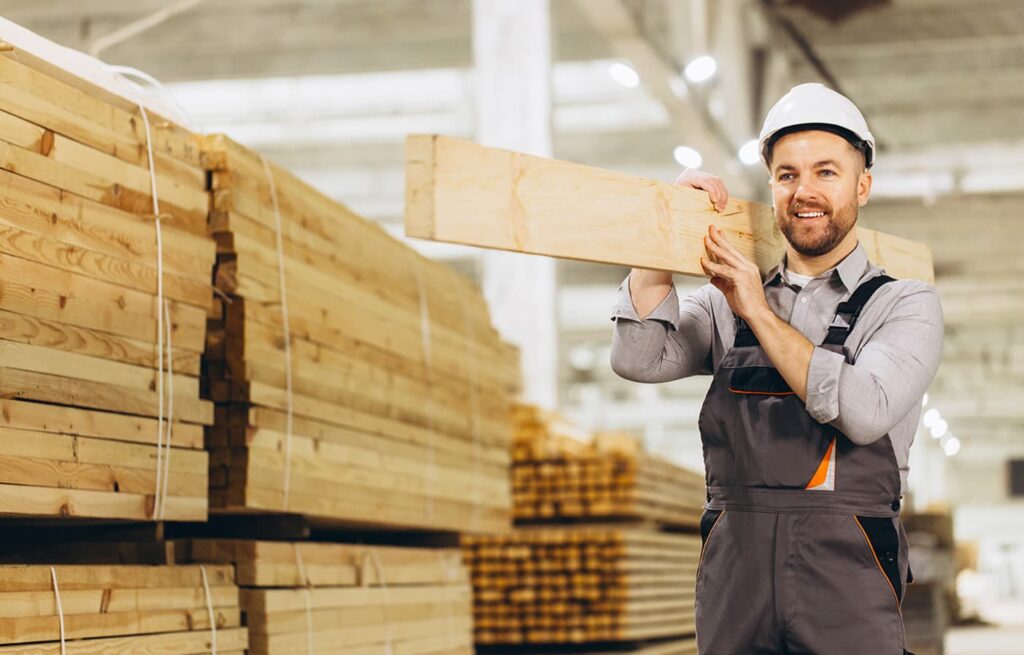
At Robbins Lumber, we make the most of every log. From bark to boards, every part of the tree is put to use—whether for high quality lumber, power, animal bedding, or innovative building products.
In 2018, we put our own biomass power plant (link to 4.4 Brand Family) on the grid. Residuals like bark, treetops, and low-quality cuts from our mills are used to generate power to run our operations and send 5 MW back to the grid—that’s enough to power 5,000 homes. The steam byproduct is used for heating our buildings and drying the lumber in our kilns. This serves a few purposes:
- Eliminates Waste – Anything we harvest that isn’t milled into sustainable lumber or chipped can be diverted to the biomass plant. Plus, it keeps low value tops and cull logs from being left on the forest floor where they pose a fire hazard.
- Reduces Reliance on the Grid – We know exactly where our energy comes from and how it is produced, helping our community move away from systems that rely on fossil fuels and towards renewable resources.
- Adds Value for Loggers – We buy tops and low-grade wood products from loggers and landowners in the community, incentivizing their pursuit of sustainably harvested wood with better returns for their business.
Energy production isn’t the only way we use lumber byproducts. Our perfectly-dried, fluffy wood shavings are a favorite of local farmers—and their animals. Green sawdust and woodchips can be redirected to pellet manufacturing, paper mills, landscaping, and Maine businesses like TimberHP, who are introducing sustainable wood fiber insulation to the American construction industry.
This full circle approach is what connects our eco-friendly lumber to not just to the future of sustainable logging, but also the energy revolution, greener housing, and Maine’s economic growth.
Conserving Land, Water & Habitat in Maine
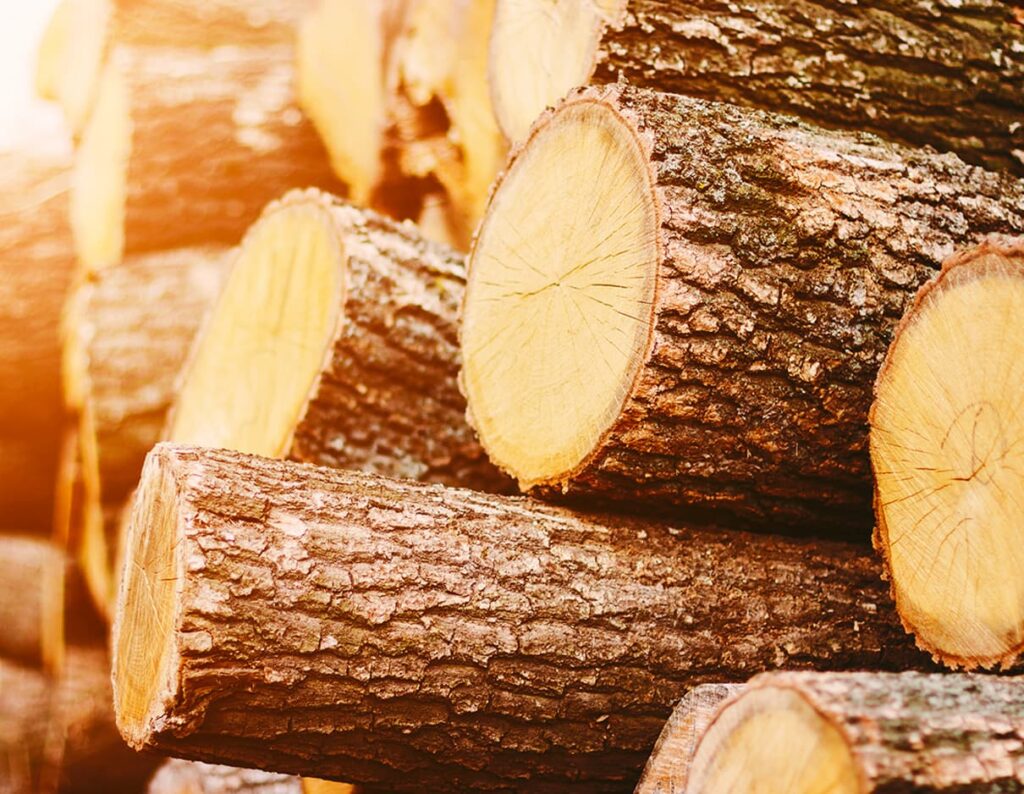
In 2000, Robbins Lumber partnered with the state on a conservation easement of more than 20,000 acres of working forestland and shoreline around Nicatous Lake, protecting the eagles, loons, salmon, and countless other wildlife that call that area home.
Our Numbers
This project permanently safeguards habitat, water quality, and public access while allowing stewards like Robbins to selectively harvest lumber—proof that production and conservation can go hand in hand. We might be biased, but the area is one of Maine’s most beautiful bodies of water, and we encourage you to enjoy its trails, beaches, and coves.

Helping Maine Neighbors Sustainably Manage Woodlots
More than a hundred years of living in Waldo County has granted us a lot of practice in caring for and loving this land.
“I was born and brought up almost in this lumber yard, and, being a lover of the wood, here I have spent a great deal of my time,” wrote little Lawrence Robbins in a school essay in 1932.
The livelihood of our families is directly tied to the health of the forests we work on, and we know the same is true of many of our neighbors. It only makes sense that our stewardship reaches beyond our property lines, offering our experience and expertise to private landowners through our Landowner Assistance Program. Full-time foresters on our staff are available to consult on small tracts through free walk-throughs, customized growth and harvesting plans, and long-term support.
Building with Pine is Building Sustainably
Eastern White Pine is a fast-growing softwood species native to the Northeast, characterized by straight trunks and creamy white wood. As these trees grow, they absorb carbon dioxide from the atmosphere and store it in their trunks, branches, and roots—a natural process known as carbon sequestration.
When you use Eastern White Pine in your home, whether siding, flooring, or paneling, that stored carbon remains locked away. Then, the forest regenerates—either naturally or with our help—starting the cycle again.
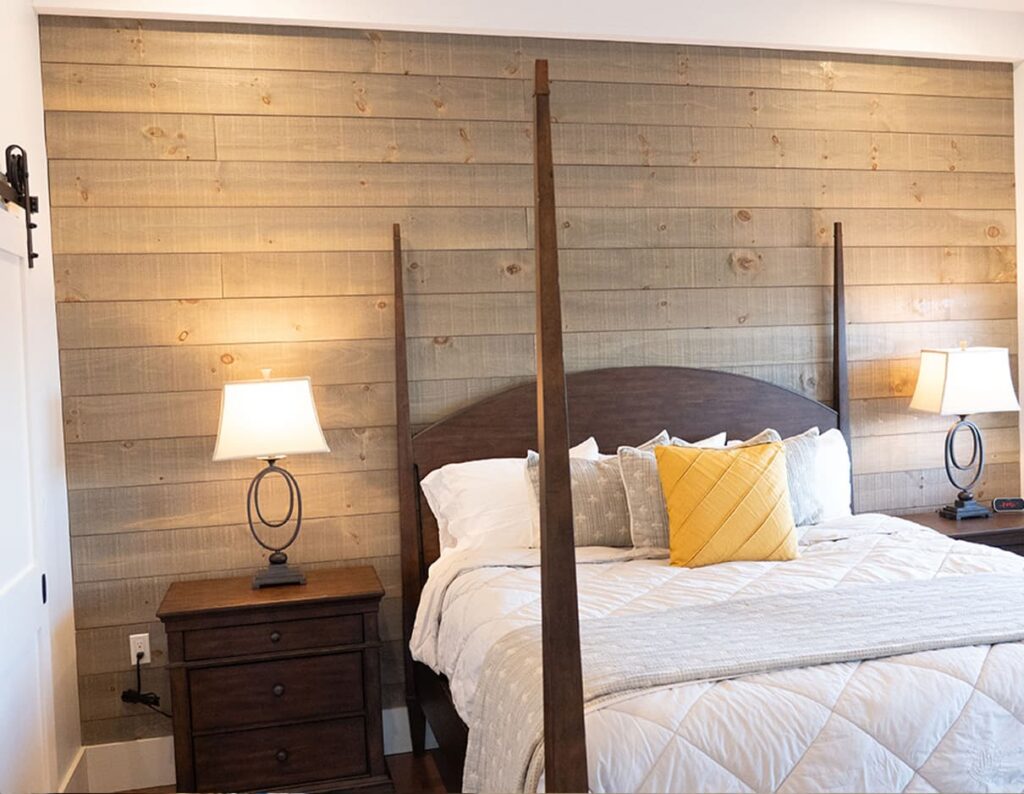
Sustainability is about both how materials are sourced and how they’re used. Architects and designers are increasingly embracing biophilic design, which prioritizes natural materials and a strong connection to the outdoors. Eastern White Pine benefits your design with its warmth and texture, contributing to wellbeing, productivity, and a sense of belonging.
Part of Larger Stewardship Movement
One tree does not make a forest. Engaging with and energizing the greater community around sustainable lumber is essential to future planetary and human health. We’re proud members of several organizations that bring together like-minded land stewards.



We also routinely sponsor or host logger education training, speak at industry events, attend sustainable building conferences, and find new ways to keep our voices active in Maine’s forest products community. Sign up for emails to hear about what we’re up to next and how you can join in.
Bring the Forest Home
Whether you’re renovating a room or building from the ground up, choosing sustainable wood products means making an investment in beauty, quality, and the environment. Our products are available through trusted retailers and supported by architects, builders, and landowners who share our commitment to long-term stewardship.